Tulum Untangles Its Ruins Tickets as INAH Takes Direct Control
.webp)


One of the most confusing parts of visiting Tulum's famous ruins is being straightened out. The National Institute of Anthropology and History, known by its Spanish initials INAH, will once again sell tickets directly at the Tulum Archaeological Zone. The change follows the end of the combined pass that had bundled the ruins together with the surrounding Parque del Jaguar, and it comes with a promise of dedicated booths and a new ticket office within 60 days.
The shift sounds administrative, but for anyone who has stood in line at the entrance it is a real improvement. It also marks a step back toward the way the site worked before the park layered new fees and operators on top of it.
How the tickets got so tangled
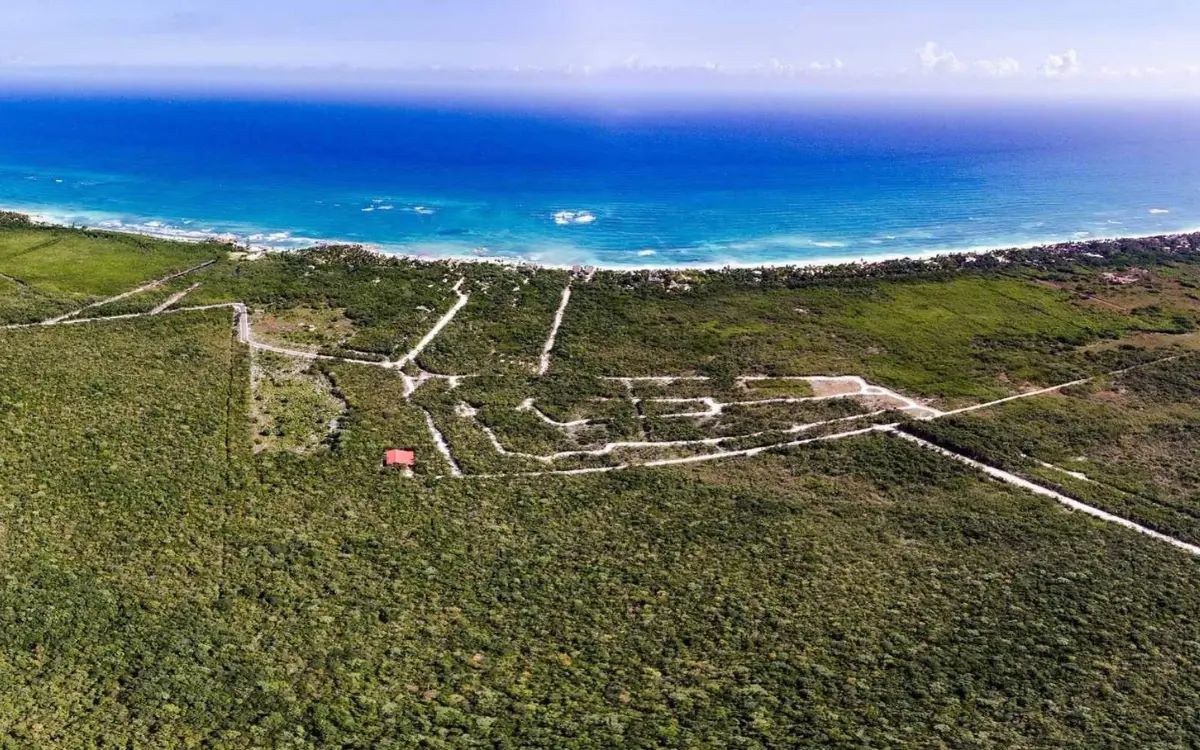
To understand why this matters, it helps to see what visitors have been paying. The Tulum ruins sit inside a protected coastal area that is part of the wider Jaguar National Park, the second-largest conservation area in Quintana Roo after the Sian Kaan biosphere. That layered geography meant a visitor was paying several government bodies at once rather than buying a single ticket.
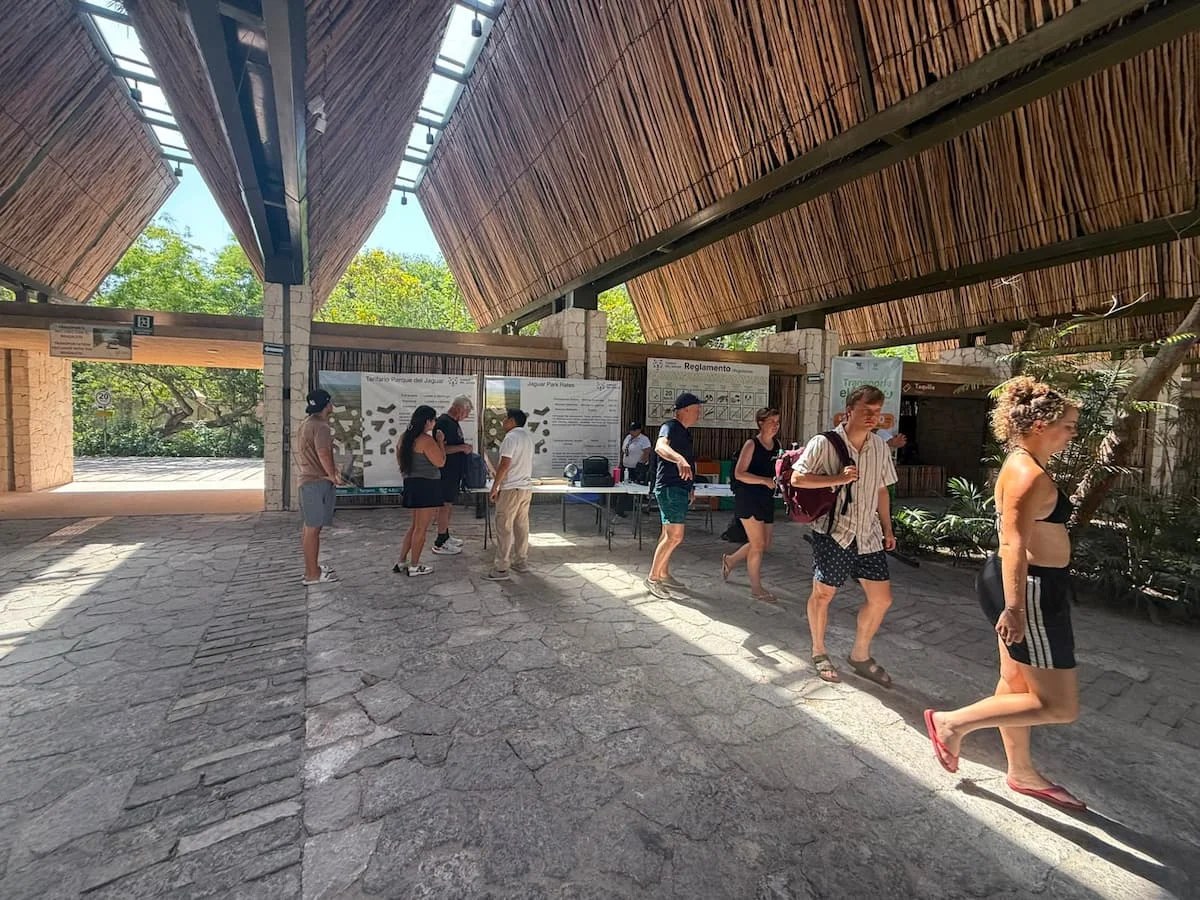
By mid-2026 a foreign visitor faced roughly 515 pesos in total, split three ways. There was the INAH charge for the archaeological site itself, the fee most people think of as the price of the ruins. There was a separate CONANP bracelet for the protected natural area, scanned at checkpoints along the access road. And there was the largest slice, the Parque del Jaguar management fee, a more recent addition that pushed the overall cost well above where it had sat a couple of years earlier. Each was collected at a different point, which is how a single visit turned into three transactions and, at busy hours, three chances to wait.
The fees themselves had also climbed sharply. At the start of 2026, INAH doubled admission at its most-visited sites, and Tulum, as one of the country's marquee archaeological zones, took the full increase. The site's ticket went from roughly 104 pesos to 209 pesos overnight on January 1, part of a national price update across 193 archaeological sites and 165 museums.
What changes now
Under the new arrangement, INAH handles its own ticketing again rather than folding it into the combined park pass. The agency has committed to separate booths and a purpose-built ticket office, with a 60-day window to get the new setup running. In practice that should mean a clearer path for visitors: a defined place to buy the archaeological-zone ticket, run by the body that manages the ruins, rather than a bundled charge administered through the park.
The move sits alongside the broader reorganization of access that has unfolded through 2026, including reduced archaeological-zone fees announced during the federal government's July push. Mexican nationals now pay 80 pesos, foreign visitors 265 pesos, with the traditional free Sunday for nationals preserved under INAH policy. Children under 13, seniors, students, teachers, and people with disabilities continue to enter without charge with proper identification.
Why it lands beyond the ticket line
A cleaner ticketing system is a small thing on its own, but it points at something larger. Tulum's archaeological zone has been one of the most visited sites in Mexico, and the visitor experience at its gate shapes how the whole destination is perceived. When entry turns into a confusing sequence of booths, roadside sellers offering fake tickets, and long waits at peak hours, the friction becomes part of the story visitors take home.
Untangling that, and putting the site's own institution back in charge of its own admissions, is the kind of quiet operational fix that makes a place easier to visit. For a destination working to reset its reputation after a difficult stretch, the details at the front gate are not a footnote. They are where the experience begins.
We are the ultimate guide to invest in Tulum
Ultimate Guide to a profitable investment property in Tulum. Find homes for sale, condos or land and consult with an experienced real estate advisor.
Tulum News: Stay Updated on Real Estate, Lifestyle & Growth
Discover the latest updates from Tulum — from real estate trends and investment opportunities to lifestyle highlights and major infrastructure developments shaping the future of this vibrant destination.