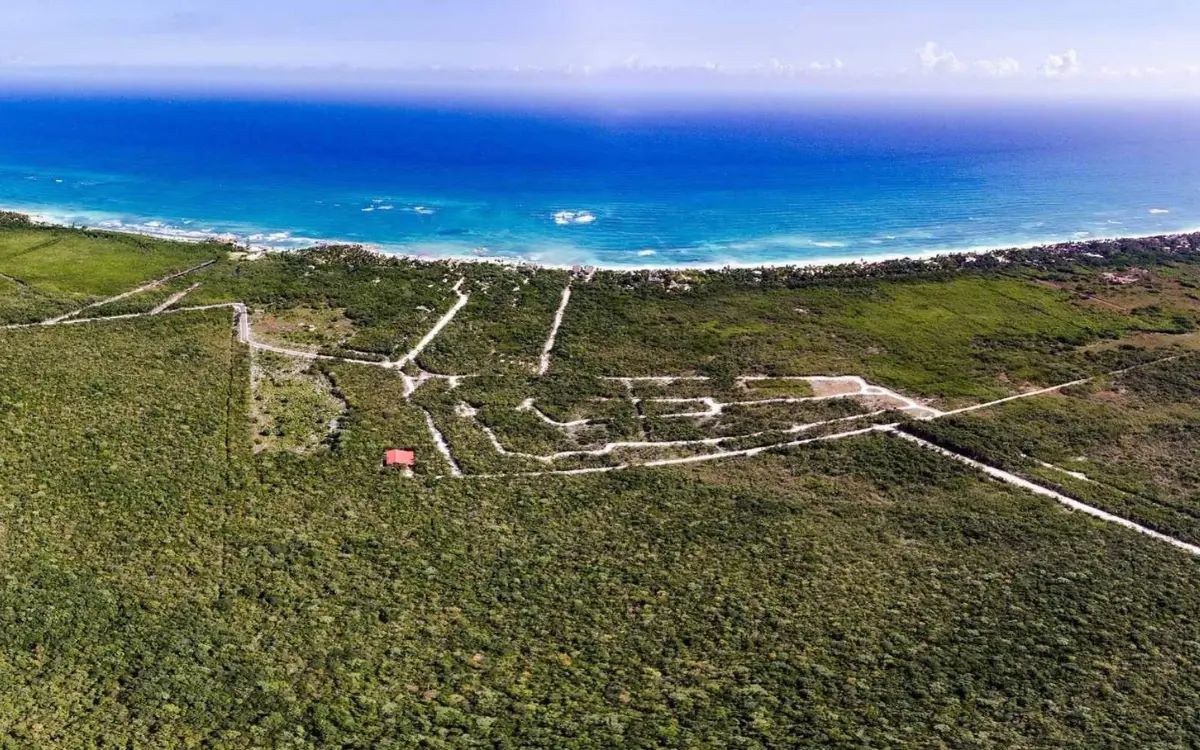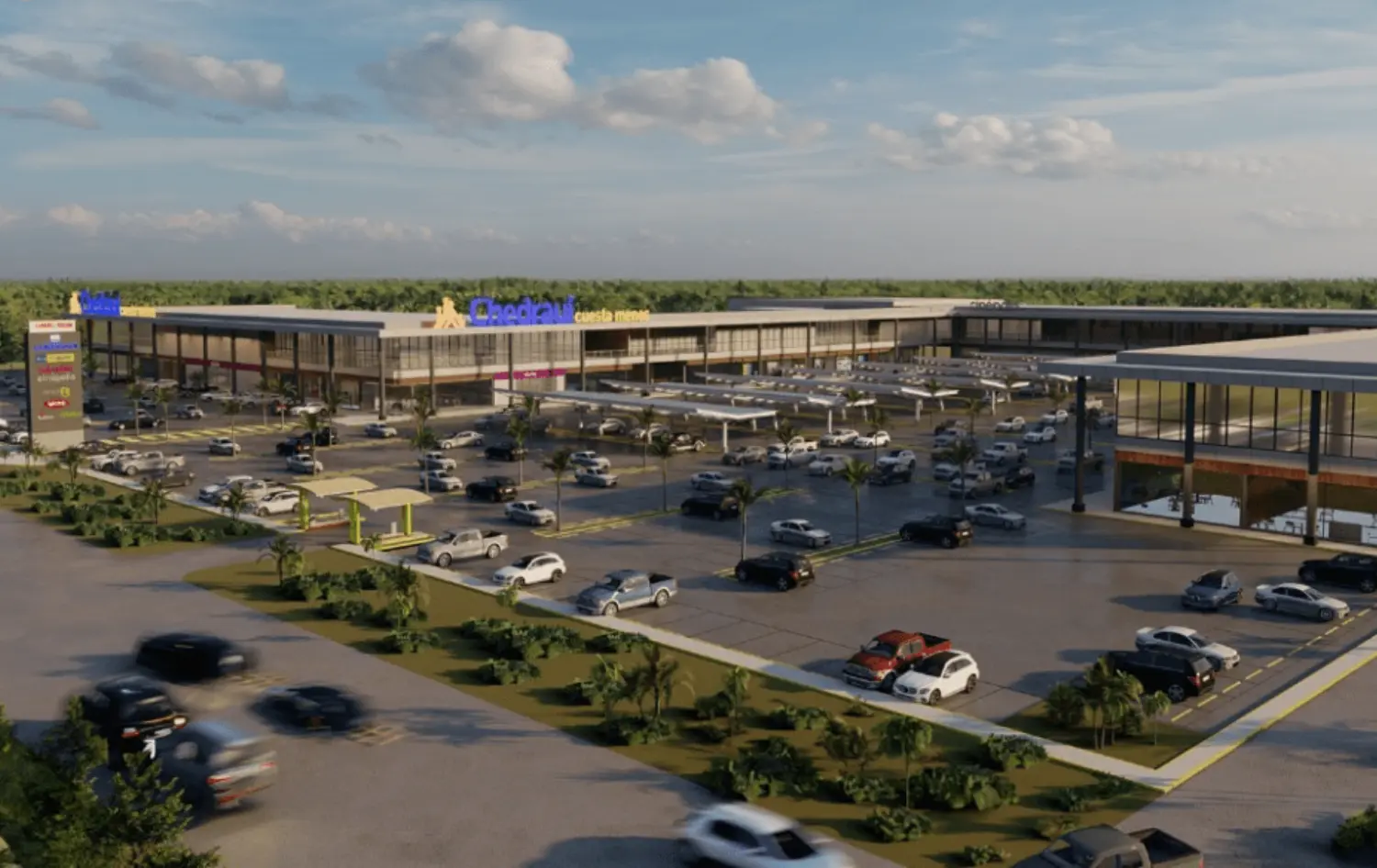


Here is a fact hiding behind every villa, beach club, and boutique hotel on this coast: nearly all of it arrived on a truck. Cement, steel, tile, glass, furniture, the wine list, the pool pump. It rolled down Highway 307, one trailer at a time, along the single road that feeds the entire Riviera Maya. Every peso of fuel, every hour of congestion, and every risk carried by that one artery is quietly priced into everything built or stocked in Tulum. That arrangement just met its competition.
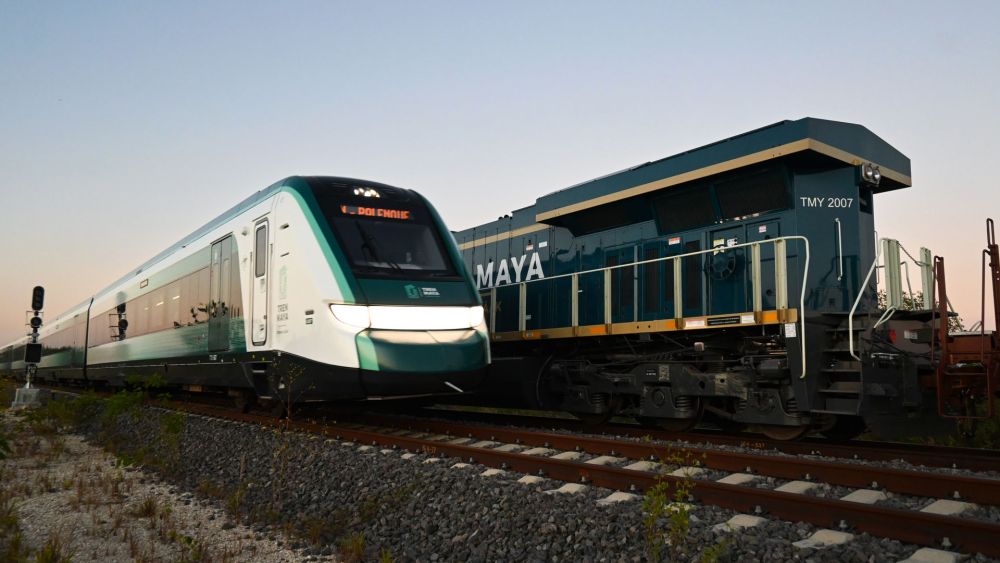
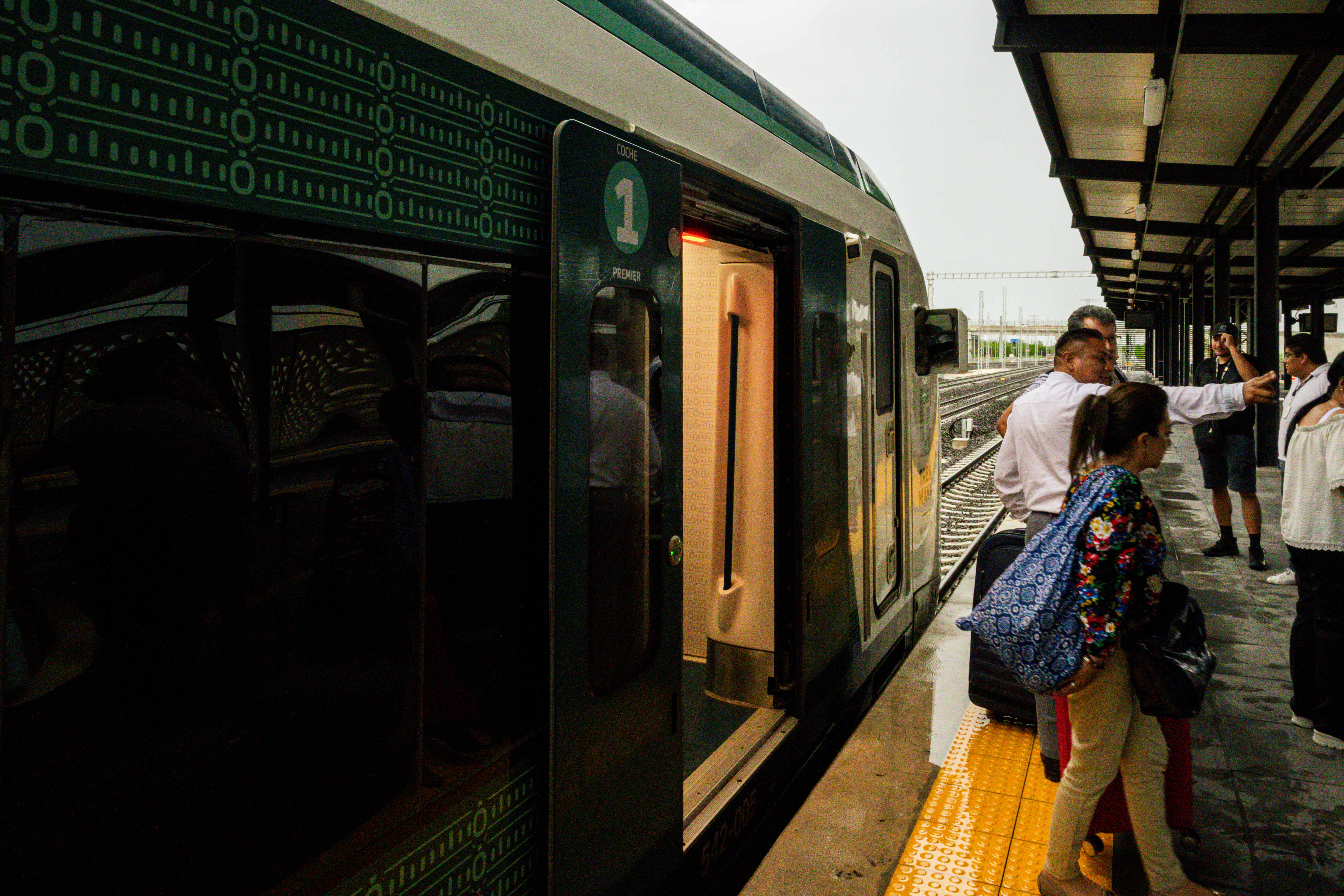
During a supervision tour of the Puerto Morelos station in Quintana Roo, President Claudia Sheinbaum announced that the first 12 line-haul freight locomotives for the Maya Train have arrived, and confirmed the date that matters: commercial cargo operations begin in January 2027.
The locomotives did not come to pose for photographs. They are already working, hauling construction materials for the remaining freight infrastructure, which means the cargo network is literally building itself by rail. The president pointed to this as evidence of the project's momentum, and the months ahead now go to completing terminals, logistics facilities, and the final stretches of track before the January launch. The Secretary of National Defense, Ricardo Trevilla Trejo, joined the tour together with the governors of the southeastern states; his military engineers are the ones laying the system down.
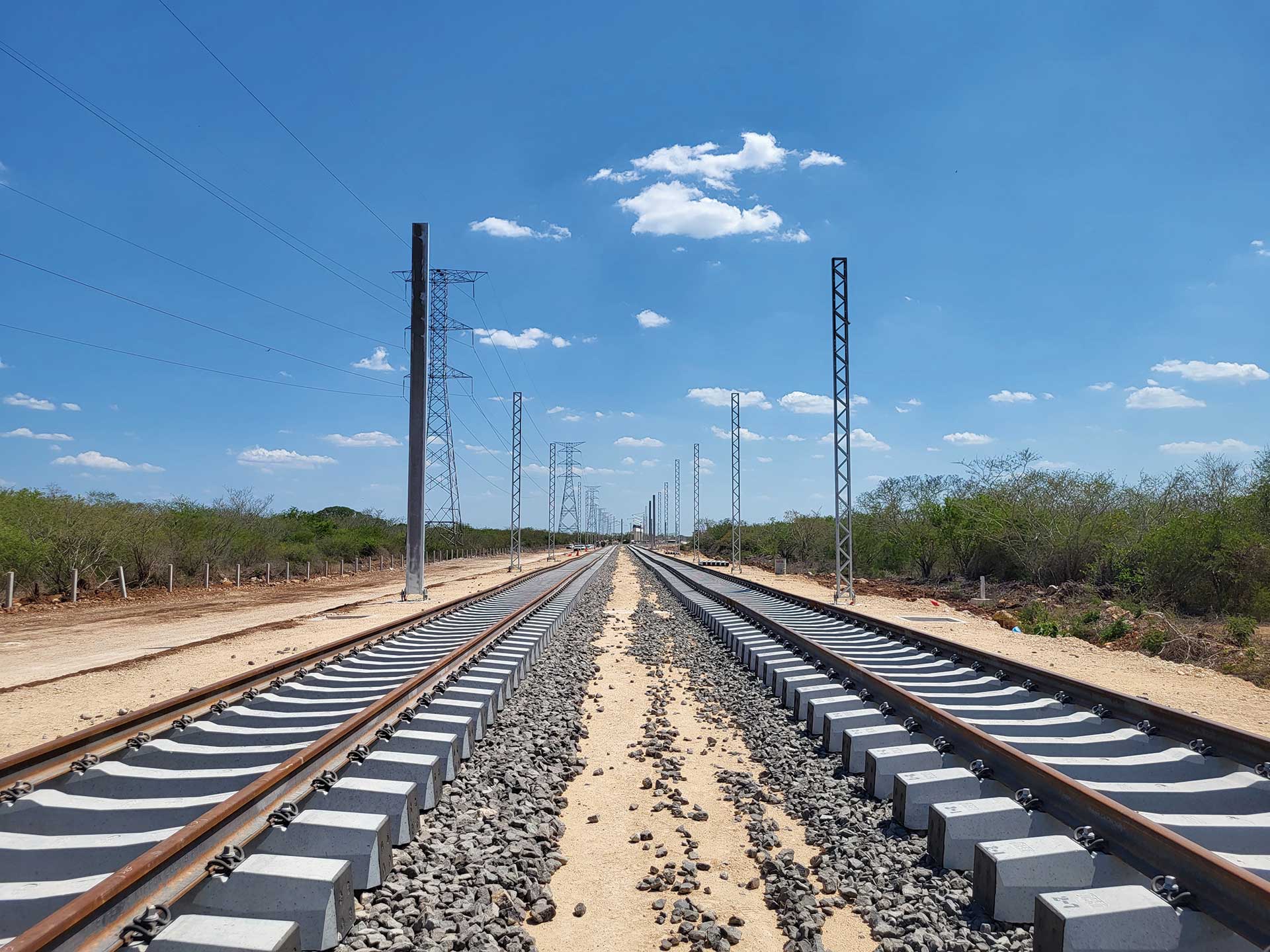
When it opens, freight will run parallel to the passenger service along the full 1,500 kilometer route, threading Quintana Roo, Yucatan, Campeche, Tabasco, and Chiapas into a single logistics corridor. The choice of Puerto Morelos for the announcement was not decorative. The town is home to Quintana Roo's principal commercial port, and a rail line meeting a seaport is how a tourist railway becomes an economic one.
The arithmetic for this coast is worth spelling out. Construction is one of the largest cost drivers in any Riviera Maya development budget, and materials logistics is a meaningful share of that cost. Today, a developer in Tulum pays trucking rates shaped by distance, fuel, driver hours, and a highway that everyone else is using at the same time. A freight railway running the length of the peninsula attacks each of those inputs. Bulk materials such as cement, aggregate, and steel are precisely the cargo rail moves best and cheapest. Over time, that flows through to build costs, to renovation costs, and to the price of keeping a hotel, a restaurant, or a rental villa stocked and running.
There is also the question of resilience, which matters on a hurricane coast. A region supplied by one highway has one point of failure. A region supplied by a highway and a railway has redundancy, and redundancy is what keeps shelves full and projects on schedule when weather or traffic closes a road. The peninsula has never had a second artery. In January it gets one.
And if the peninsula benefits, Tulum benefits first, because no town on the route consumes more of what rail carries. This is the fastest-growing construction market in the region, a place where cement, steel, and aggregate arrive daily by the truckload and where nearly everything a resident or visitor touches was hauled in by road. The more a local economy depends on moving heavy materials and constant supply, the more a freight railway changes its arithmetic, and by that measure no address on the line has more to gain than this one.
The larger story is about what kind of economy the southeast is becoming. The Maya Train launched in the world's imagination as a way to move tourists between beaches and ruins. What is taking shape now is a multimodal logistics network intended to carry the goods, materials, and commerce of five states, with the Riviera Maya sitting at its most valuable end. Regions that gain modern freight infrastructure tend to see the benefits compound quietly for decades, in lower costs, steadier supply, and industries that were not possible before.
The tourists, it turns out, were only the first cargo.
We are the ultimate guide to invest in Tulum
Ultimate Guide to a profitable investment property in Tulum. Find homes for sale, condos or land and consult with an experienced real estate advisor.
Tulum News: Stay Updated on Real Estate, Lifestyle & Growth
Discover the latest updates from Tulum — from real estate trends and investment opportunities to lifestyle highlights and major infrastructure developments shaping the future of this vibrant destination.