What Tulum's Municipal Decisions Mean for Property Buyers in 2026
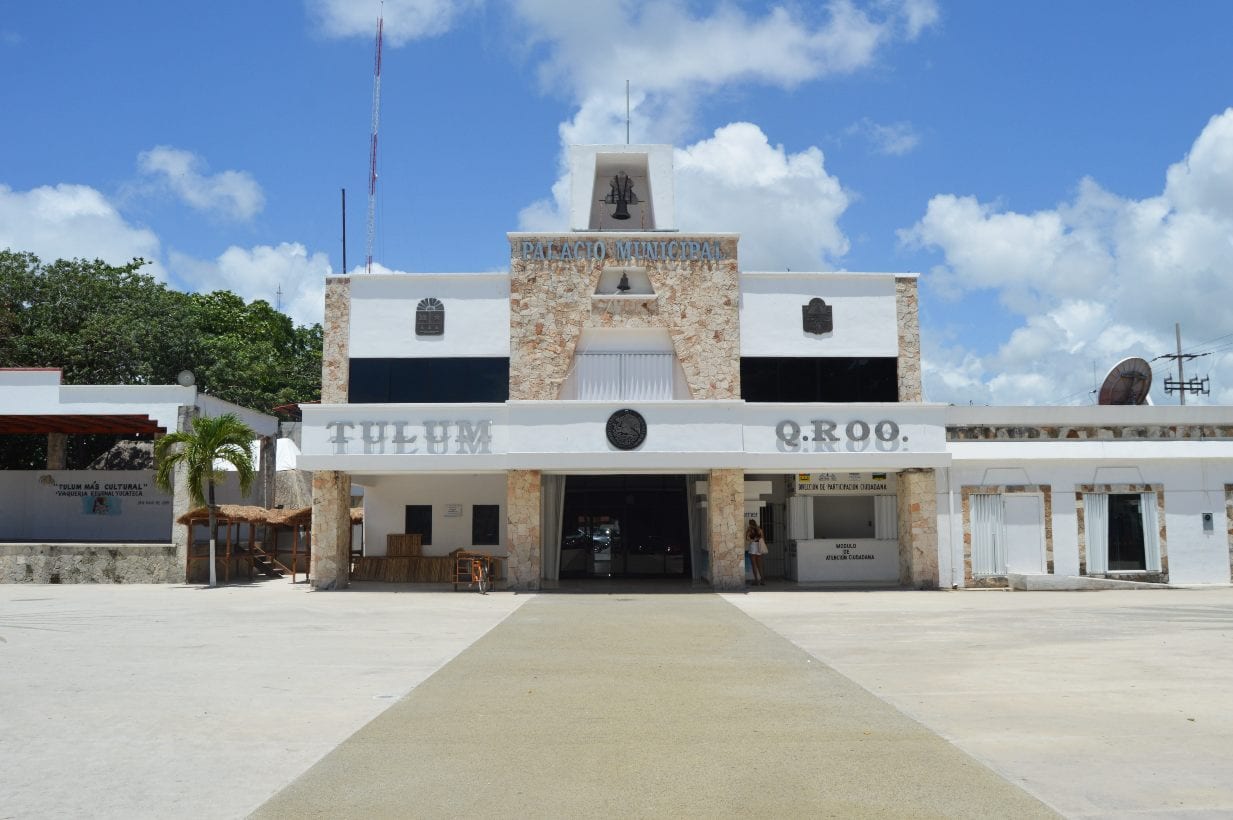


In the town council session of April 8, 2026, Tulum's municipal síndica, Rifka Renee Queruel Nussbaum, did something that rarely happens in a routine vote: she refused to sign the 2025 cuenta pública, the municipality's annual public accounts. She said she had not been given the financial information needed to evaluate the document, and that it had not passed properly through the finance commission she chairs. The council majority approved the accounts anyway and forwarded them to the Quintana Roo state audit office. For most readers that is an obscure procedural dispute. For anyone buying or building in Tulum, it is a window into something more useful: the public record routinely contains information that prices into a purchase long before it reaches a listing.
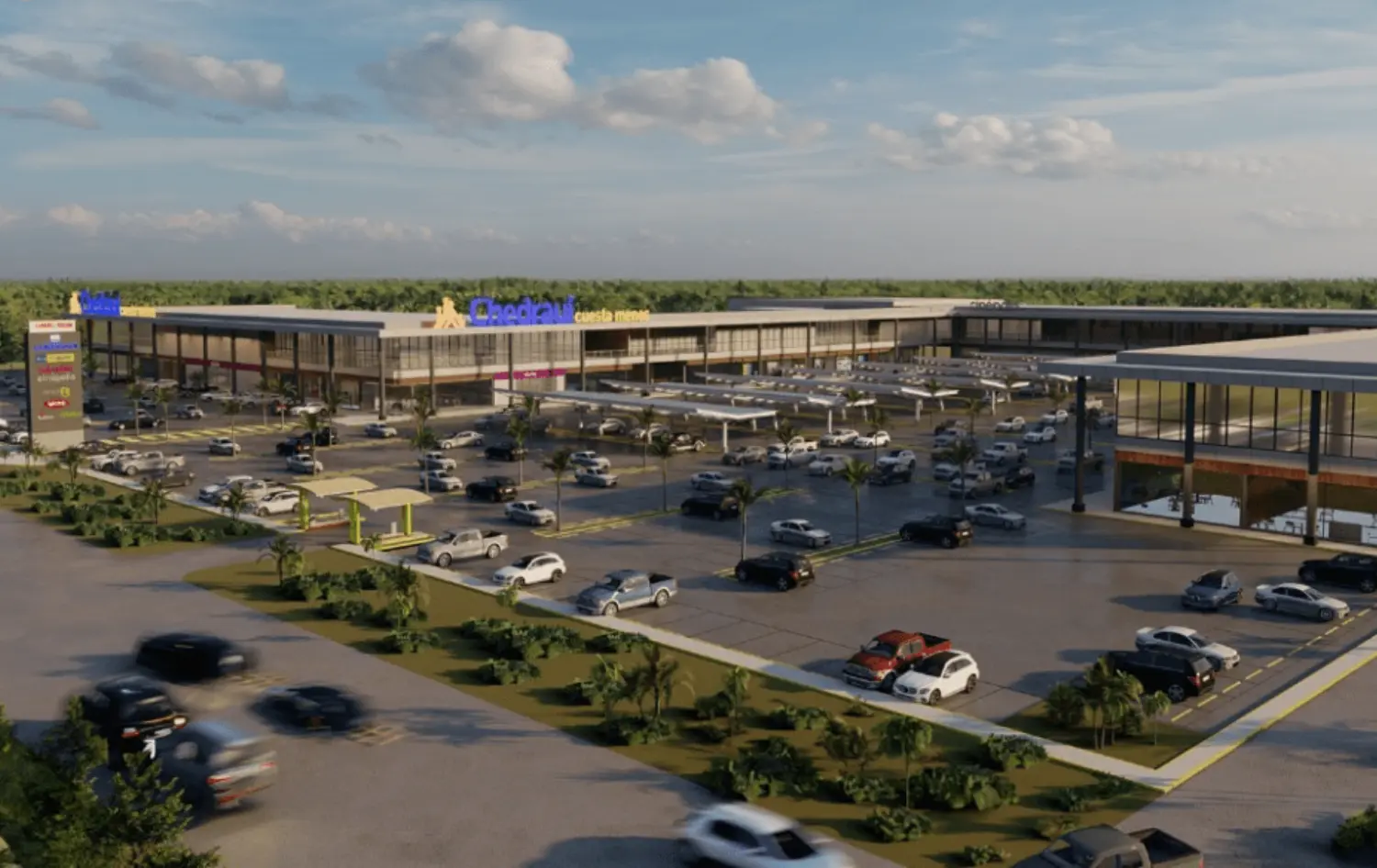
The accounts dispute matters because of what sits behind it. In December, the administration took on a 50 million peso short term loan, which the síndica described as carried out on unfavorable terms. Municipal finances are the implicit backstop for every promise a brochure makes about infrastructure the city will install. When a buyer reads that paving, drainage, or a water connection is coming, the honest question is whether it is funded, scheduled, and minuted, or simply assumed. The state of the municipal balance sheet is the first place to check.
Infrastructure capacity is the constraint that follows from this. Water and drainage projects are active in the municipality, but they demonstrate how long even funded works take to deliver. A listing that promises an imminent city water connection is making a claim a buyer can test by asking for the date and the session that authorized it. Permitting carries the same logic. In September 2025, Quintana Roo's territorial development authority, SEDETUS, flagged 26 real estate developers operating without authorization. For any buyer told that permits are in order, the appropriate follow up is which office issued them and whether they appear in the official register. A developer who resists that question has answered it.
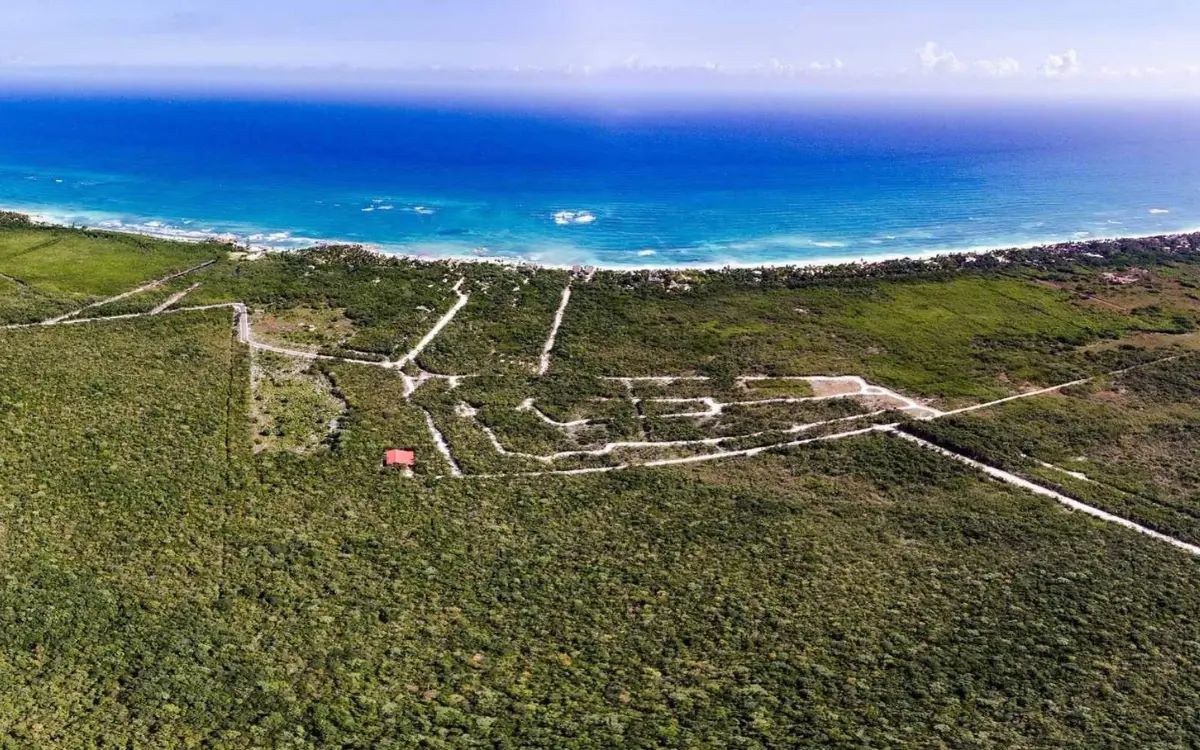
Land use itself is being rewritten. Tulum's Programa de Ordenamiento Ecológico Local, the POEL, is in its strategic stage, the phase in which the Environmental Management Units are defined. These set the criteria that determine what can be built on each parcel, and the work is being coordinated across federal, state, and municipal authorities alongside a parallel urban development program. As these instruments are finalized, every parcel receives a formal classification that constrains its permitted use. For land buyers in particular, zoning status is a live question rather than a settled one, and the classification a parcel receives can change what it is worth.
Environmental pressure is part of the same picture. Mexico's federal beach access regime is operating actively in Tulum, with new public access points opened along the coast and free entry guaranteed for residents year round, a shift that affects how proximity to the beach is valued. Sargassum is the harder variable. The municipality's federal maritime zone authority, Zofemat, reported more than 1,224 tons collected through March 2026, against 462 tons in the same period of 2025. Regional projections point to one of the heaviest seasons on record, and the response has included container installations across the hotel zone and cleanup brigades organized by residents in areas such as Akumal. For coastal property, sargassum is now a cost and a planning question, not a seasonal surprise.
All of this sits on top of the structural fact that reframes everything else: oversupply. Independent market reporting and consultancy analysis from Expansión and 4S Real Estate place more than 10,000 units in the Tulum resale market, with new home sales down roughly a third since 2023, and the local realtor association has described an even wider range of unsold inventory. Absorption of the studio and one bedroom stock that defined the boom is now measured in years rather than months. At the same time, agents describe demand migrating from the digital nomad and couples niche toward family buyers seeking houses and larger residences, with the buyer base now split broadly between Mexican and international purchasers. An investment thesis built on the early cycle studio has to reckon with a demand profile that has moved.
None of these files is a crisis on its own. Together they describe a market maturing out of its boom phase, where finances are contested in public, land is being formally classified, the coastline carries new costs, and supply has outrun the product type that drove the early cycle. The practical takeaway is consistent across all of them. The information that protects a buyer already exists, in council sessions, audit filings, permit registers, and zoning classifications. The questions worth asking are simply which session, which office, which register, and which classification.
We are the ultimate guide to invest in Tulum
Ultimate Guide to a profitable investment property in Tulum. Find homes for sale, condos or land and consult with an experienced real estate advisor.
Tulum News: Stay Updated on Real Estate, Lifestyle & Growth
Discover the latest updates from Tulum — from real estate trends and investment opportunities to lifestyle highlights and major infrastructure developments shaping the future of this vibrant destination.