Tulum's Seaweed Is Becoming Its Sidewalks


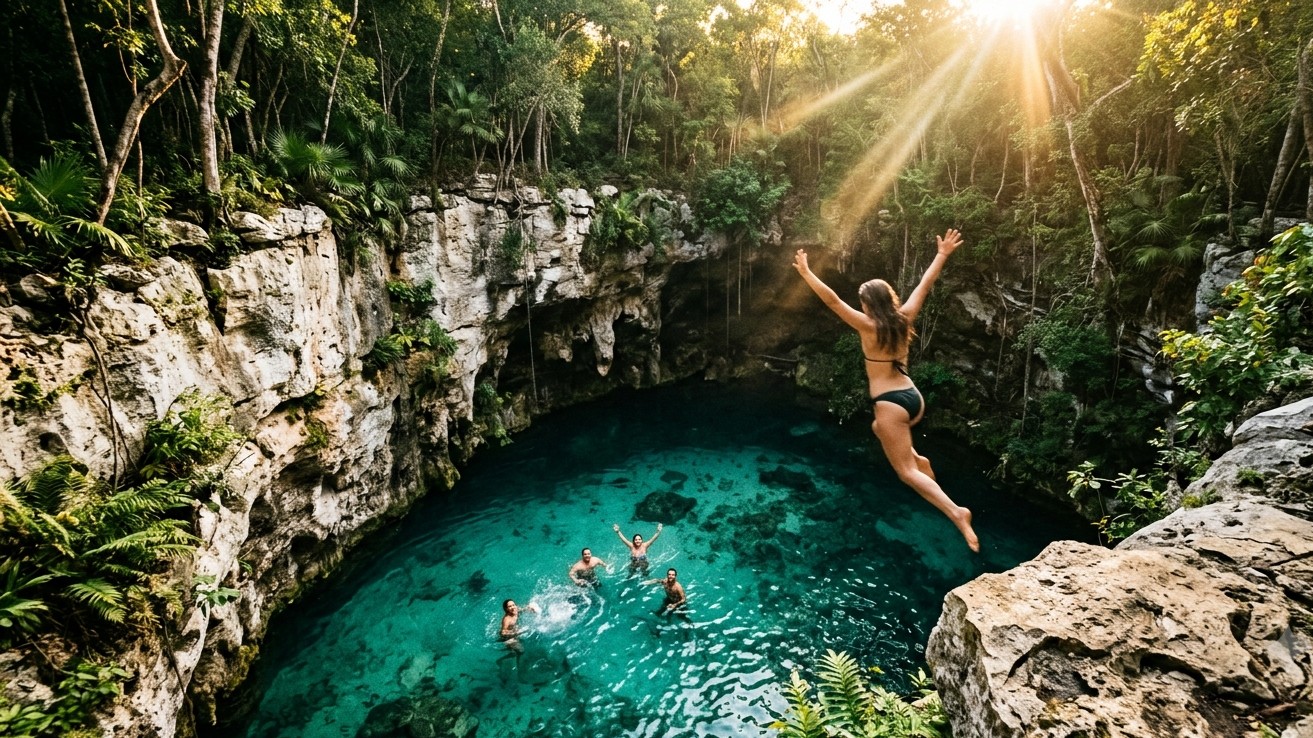
A plant that turns the coast's most stubborn environmental problem into building material opened on Friday, July 3, on the Tulum to Playa del Carmen highway near the Dos Ojos cenote.
The product, sargacreto, replaces part of the cement in a standard concrete mix with biochar made from sargassum, the seaweed that arrives on Tulum's beaches by the thousands of tons each summer. Its makers say it carries the same structural properties as conventional concrete, with a service life measured in centuries.
What sargacreto actually is
The idea is simpler than it sounds. Sargassum is harvested from the shoreline, dried, and converted into biochar, a stable carbon-rich char produced by heating organic matter with little oxygen. That biochar then stands in for a portion of the Portland cement in an otherwise standard mix. Cement is the most carbon-intensive ingredient in concrete, so substituting part of it does two things at once: it consumes a waste stream that would otherwise rot on the sand, and it lowers the embodied carbon of the finished material. The result behaves like the concrete any builder already knows, which is what makes it usable rather than experimental.
The proof is already in the ground
What sets it apart from most sustainable building claims is that it is already proven in public infrastructure, not a pitch. The entire exterior floor of the Maya Train station in Tulum, roughly 17,000 square metres, was laid in sargacreto around two years ago. That single job consumed more than 15,000 tons of sargassum and produced close to 1,800 cubic metres of concrete. A second installation sits at the Campeche railway station. Both are load-bearing, public, and still in service, which is a different order of evidence from a product still waiting for its first real pour.
Why it matters along the coast
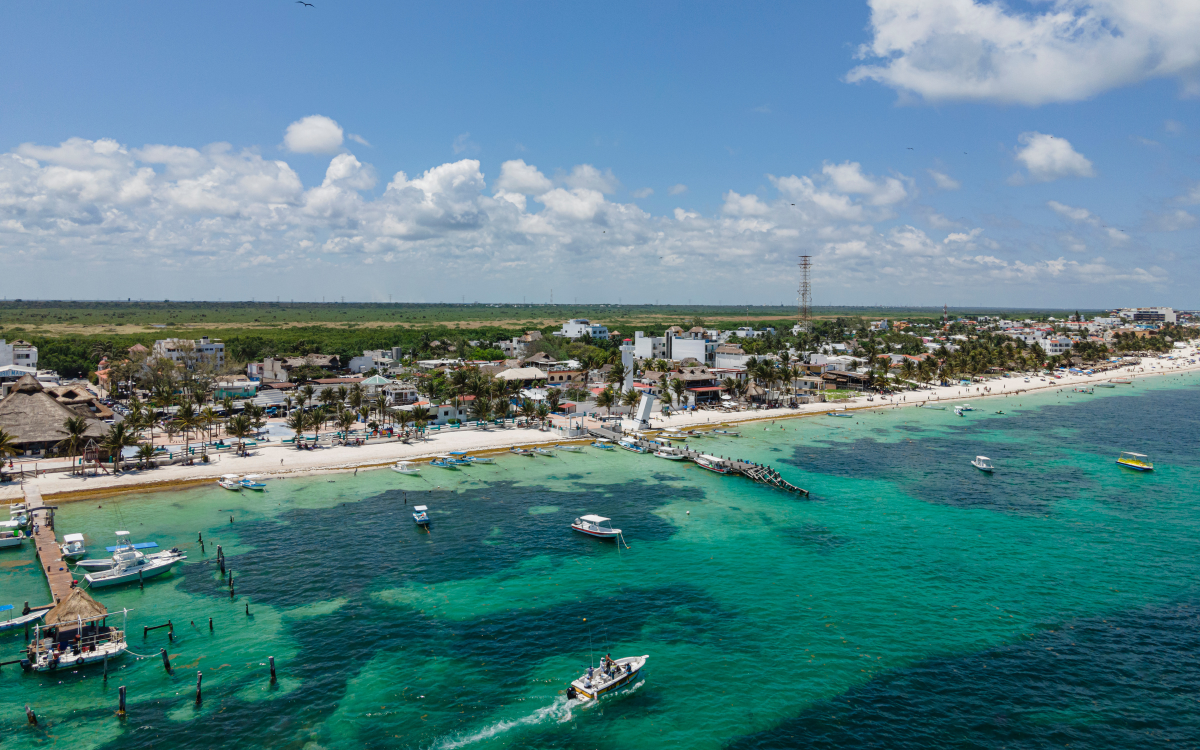
For anyone who has walked a Tulum beach in high season, the appeal is obvious. Sargassum has weighed on the visitor experience for years, and collection alone has become a major seasonal cost carried by hotels, beach clubs, and municipalities. A working use for the collected seaweed changes the equation, turning a disposal problem into a supply chain with a buyer at the end of it. The company behind the plant has already proposed paving Avenida 7 Sur in the same material, a corridor it hopes will become a pedestrian commercial street to rival Playa del Carmen's Fifth Avenue.
The honest limits
There are constraints worth stating plainly, because they shape how fast this scales. Sargacreto runs about ten percent above the cost of standard concrete, which matters on a large pour even when the sustainability story appeals. The company's own stated output has varied from one announcement to the next, and a single plant will not absorb a record sargassum season on its own, with the worst years still overwhelming collection capacity along the coast. Certification for broader structural use and the logistics of drying and processing at scale are still being worked through. None of this is unusual for a young material, but it is the difference between a promising direction and a finished solution.
We are the ultimate guide to invest in Tulum
Ultimate Guide to a profitable investment property in Tulum. Find homes for sale, condos or land and consult with an experienced real estate advisor.
Tulum News: Stay Updated on Real Estate, Lifestyle & Growth
Discover the latest updates from Tulum — from real estate trends and investment opportunities to lifestyle highlights and major infrastructure developments shaping the future of this vibrant destination.